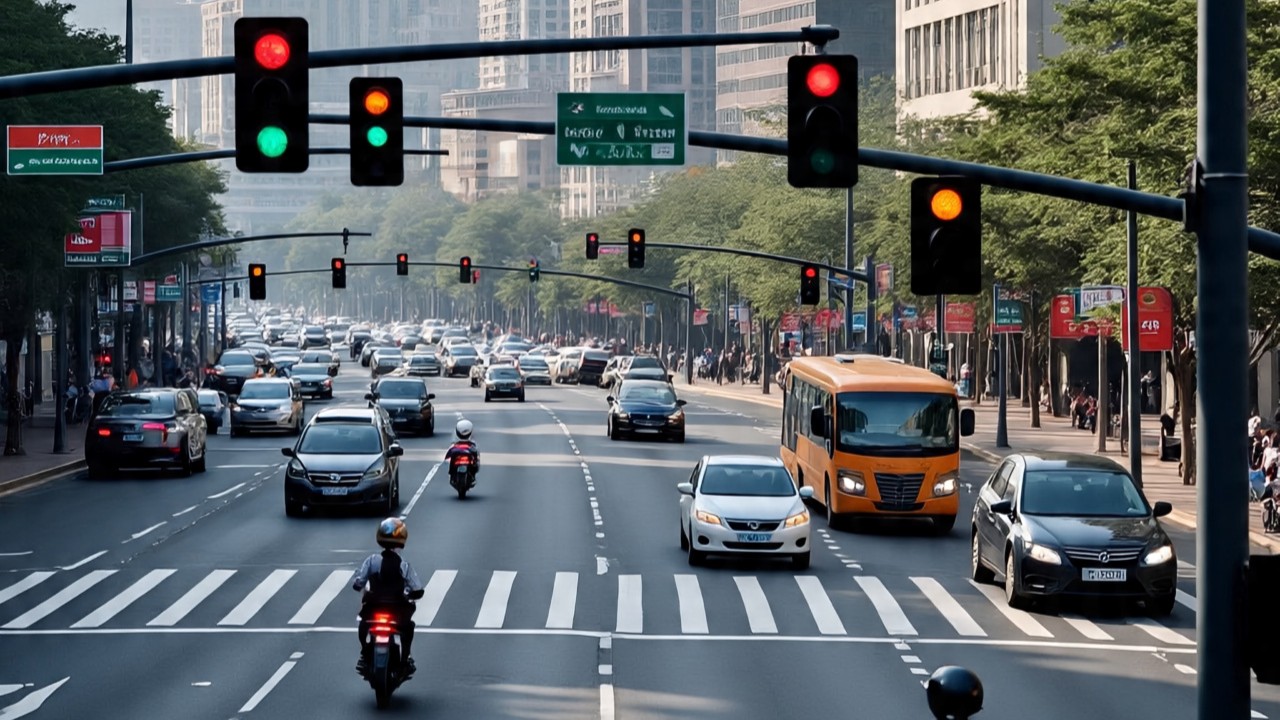
Traffic management and control are critical components of Nigeria’s road infrastructure, ensuring safety, smooth traffic flow, and efficient urban mobility. With decades of experience in Nigerian road design, highway systems, and traffic engineering, I have observed that most congestion and road accidents are linked to poor traffic management practices.
Given Nigeria’s rapid urbanisation, high vehicle growth, inadequate infrastructure, and enforcement challenges, implementing robust traffic management systems is essential for sustainable mobility.
Importance of Traffic Management in Nigeria
Proper traffic management in Nigeria ensures:
- Reduced congestion in urban and intercity corridors
- Improved road safety and accident reduction
- Enhanced efficiency of freight and public transport
- Lower environmental impact from idling vehicles
- Better compliance with traffic laws and regulations
Ineffective traffic management contributes directly to daily gridlocks in Lagos, Abuja, and Port Harcourt, increased road accidents, and higher vehicle operating costs.
Key Principles of Traffic Management
Traffic Flow Analysis
- Study vehicle volumes, peak hours, and congestion points
- Include all road users: private vehicles, buses, motorcycles (okadas), and pedestrians
- Monitor high-risk zones like intersections, toll plazas, and roundabouts
Road Network Hierarchy
- Classify roads as local, collector, arterial, and highways
- Align traffic management strategies with road function
- Avoid using local streets for through traffic
Control Measures
- Traffic signals and lights
- Roundabouts and stop/go controls
- Lane markings and signage
- Speed calming devices
- Intelligent transport systems (ITS) where feasible
Traffic Management Challenges in Nigeria
Nigeria faces unique traffic challenges:
- Overloaded vehicles – Trucks often exceed legal limits, stressing highways
- Informal transportation – Motorcycles and mini-buses using inappropriate routes
- Poor road discipline – Lane encroachment, wrong-way driving, jaywalking
- Inadequate infrastructure – Limited traffic signals, missing signage, poorly maintained intersections
- Enforcement gaps – Insufficient presence of LASTMA, FRSC, and local authorities
Addressing these challenges requires a combination of engineering, enforcement, and education.
Traffic Management Solutions for Nigerian Roads
Urban Traffic Control
- Signalized intersections with optimized timings
- Pedestrian crossings and footbridges in high-traffic areas
- Dedicated lanes for buses, commercial vehicles, and motorcycles
Highway Traffic Management
- Intelligent highway monitoring systems (CCTV, speed sensors)
- Weighbridges to enforce axle load limits
- Controlled access points to reduce congestion
Traffic Safety Measures
- Road signage and marking compliant with Nigerian Highway Code
- Speed humps and rumble strips in urban areas
- Public awareness campaigns for road safety
Intelligent Traffic Systems and Technology in Nigeria
Modern Nigerian cities are increasingly adopting smart traffic management systems:
- Automated traffic lights with adaptive signal control
- Vehicle detection and monitoring cameras
- Digital signage for driver information
- Traffic data analytics to plan infrastructure investments
Investing in technology helps reduce congestion and improve compliance, particularly in Lagos, Abuja, and Port Harcourt.
Maintenance and Monitoring for Effective Traffic Management
- Regular calibration and maintenance of traffic signals
- Periodic inspection of signage and road markings
- Continuous traffic data collection for performance assessment
- Integration with city planning for future expansions
Proactive maintenance prevents system failures that often worsen congestion.
Nigerian Standards and Compliance
- Federal Highway Code guidelines for road traffic
- Traffic management standards by Federal Road Safety Corps (FRSC)
- Local state laws and LASTMA regulations
- International best practices adapted to Nigerian conditions
Expert engineers always adapt global solutions to Nigeria’s urban and highway contexts, balancing cost, compliance, and effectiveness.
Cost, Efficiency, and Lifecycle Considerations
“Traffic management is an investment, not an expense.”
- Optimized traffic reduces fuel consumption and travel time
- Minimizes road accidents and infrastructure damage
- Reduces operational cost for freight and commuters
- Ensures longer life of road infrastructure
Lifecycle planning for traffic systems ensures sustainable urban mobility and safer highways.
Recommendations for Nigerian Traffic Stakeholders
- Conduct traffic surveys and congestion analysis before interventions
- Implement engineering, enforcement, and education strategies together
- Prioritize high-traffic and high-risk zones first
- Integrate smart traffic control systems where feasible
- Regularly monitor and maintain traffic management infrastructure
Conclusion
Traffic management and control are essential for safe, efficient, and sustainable roads in Nigeria. Poorly managed traffic leads to congestion, accidents, and premature deterioration of road infrastructure.
By combining engineering solutions, technology, enforcement, and public education, Nigerian cities and highways can achieve smooth traffic flow, enhanced safety, and longer-lasting roads.