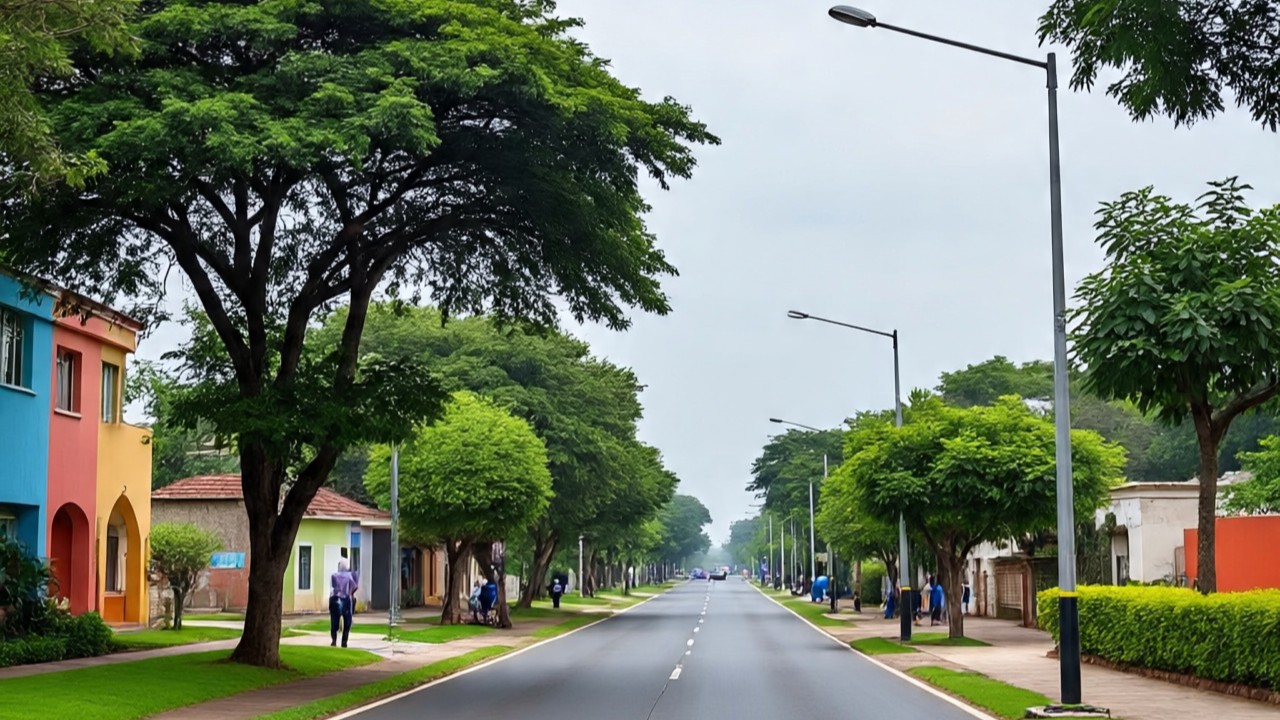
Road landscaping and beautification play a critical yet often underestimated role in the success of Nigeria’s road infrastructure. With over two decades of experience delivering highways, urban roads, and expressway projects, it is clear that well-designed road landscaping improves safety, durability, environmental performance, and public perception.
In Nigeria’s rapidly urbanising cities and expanding highway networks, road landscaping is no longer optional—it is a core component of modern, sustainable road development.
Importance of Road Landscaping and Beautification in Nigeria
Effective road landscaping delivers multiple benefits:
- Improved road safety and driver visibility
- Enhanced aesthetics and urban identity
- Erosion control and slope stabilization
- Reduction of dust, glare, and heat
- Environmental sustainability and climate resilience
In many Nigerian cities, poorly landscaped roads suffer from erosion, flooding, and visual degradation within a short time after construction.
Key Elements of Road Landscaping in Nigeria
Roadside Landscaping
- Grass planting and shrubs along shoulders
- Trees planted at safe setbacks for shade and aesthetics
- Protection of underground utilities and drainage systems
Median and Island Landscaping
- Low-height plants for visibility
- Decorative paving and greenery
- Proper irrigation and drainage to prevent waterlogging
Slope and Embankment Treatment
- Turfing, hydroseeding, or stone pitching
- Erosion control in high-rainfall areas
- Stabilization of cut and fill slopes
Urban Road Beautification Features
- Decorative kerbs and walkways
- Planters, lighting integration, and street furniture
- Integration with pedestrian and cycling infrastructure
Role of Landscaping in Road Safety
Contrary to common belief, landscaping is not just decorative. Properly designed landscaping:
- Improves night visibility and reduces glare
- Prevents headlight dazzle on dual carriageways
- Guides drivers visually at curves and intersections
- Enhances pedestrian safety in urban areas
Poorly planned landscaping, however, can obstruct sightlines and create hazards—underscoring the need for engineering-led design.
Challenges of Road Landscaping in Nigeria
- Poor maintenance culture – vegetation overgrowth or neglect
- Wrong plant selection – roots damaging pavements and drains
- Vandalism and misuse – removal of plants and fixtures
- Inadequate irrigation systems
- Lack of integration with drainage and lighting systems
Professional road landscaping must be designed for Nigeria’s climate, soil conditions, and maintenance realities.
Best Practices for Road Landscaping in Nigeria
- Use indigenous and climate-resilient plants
- Maintain clear sight distances and safety zones
- Integrate landscaping with drainage and stormwater management
- Design for low maintenance and durability
- Coordinate landscaping with lighting, signage, and pedestrian facilities
Sustainability and Environmental Impact
Road landscaping supports Nigeria’s sustainability goals by:
- Reducing surface runoff and erosion
- Improving air quality in urban corridors
- Lowering ambient temperatures
- Supporting biodiversity in urban environments
Green infrastructure is increasingly required in donor-funded and PPP road projects across Nigeria.
Nigerian Standards and Compliance
- Federal Ministry of Works road design guidelines
- State urban development and beautification regulations
- Environmental Impact Assessment (EIA) requirements
- Adapted international best practices for tropical regions
Experienced engineers ensure compliance while adapting designs to local conditions.
Cost, Durability, and Lifecycle Considerations
“A road that is not landscaped is a road that will age faster.”
- Proper landscaping reduces long-term maintenance costs
- Prevents erosion and premature pavement failure
- Enhances public acceptance of infrastructure projects
- Improves asset value and lifespan
Recommendations for Nigerian Road Projects
- Include landscaping at the concept and design stage
- Allocate budgets for long-term maintenance
- Use professionally engineered landscaping designs
- Integrate landscaping with safety and environmental planning
- Train maintenance teams on sustainable practices
Conclusion
Road landscaping and beautification in Nigeria are essential components of modern, safe, and sustainable road infrastructure. Beyond aesthetics, they enhance safety, protect investments, and improve environmental performance.
When properly designed and maintained, road landscaping transforms highways and urban roads into functional public assets that serve both mobility and community well-being.