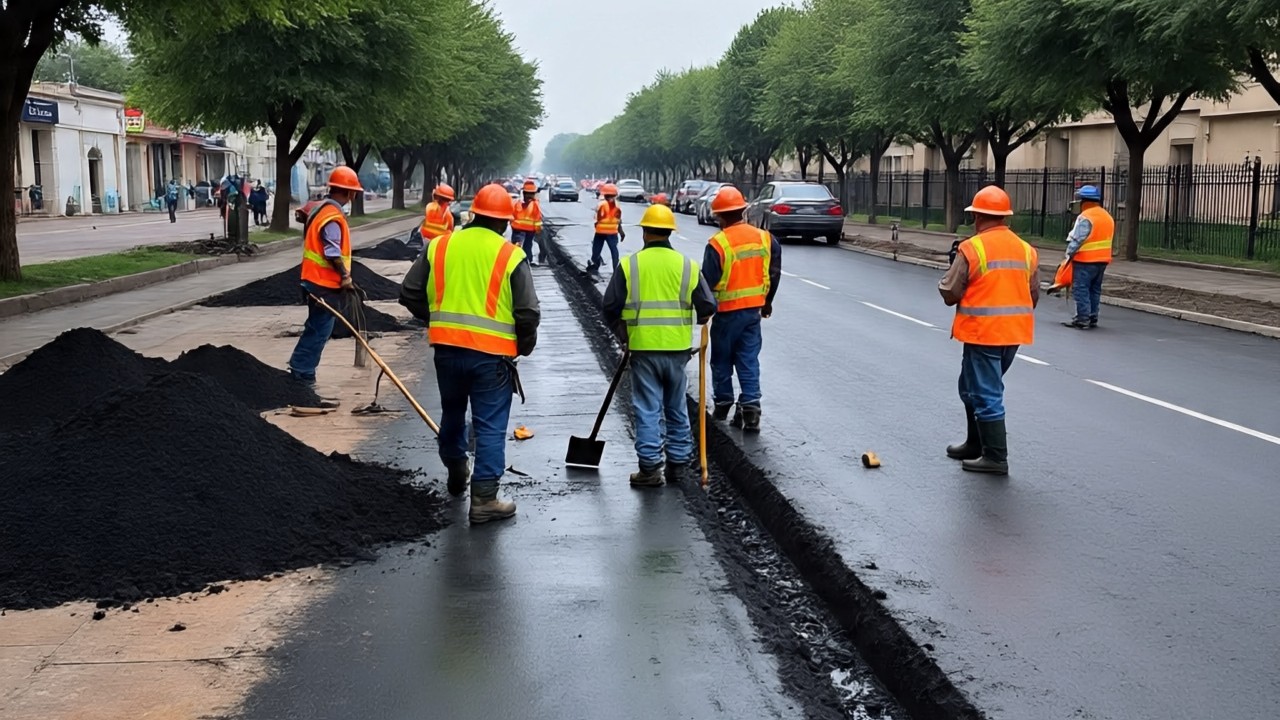
Road maintenance and repair are the backbone of sustainable transportation infrastructure in Nigeria. With over two decades of professional experience delivering and rehabilitating highways, urban roads, and arterial routes, it is evident that many Nigerian road failures are the result of delayed or poorly executed maintenance rather than initial construction defects.
In a country with heavy traffic loads, diverse soil conditions, and intense seasonal rainfall, proactive road maintenance is not optional—it is essential.
Importance of Road Maintenance and Repair in Nigeria
Effective road maintenance:
- Extends the lifespan of road infrastructure
- Reduces vehicle operating costs and accidents
- Prevents minor defects from becoming major failures
- Ensures consistent connectivity for economic activities
- Protects public investment in transportation assets
In Nigeria, deferred maintenance often leads to rapid pavement deterioration and costly reconstruction.
Common Road Defects in Nigeria
Potholes
- Caused by water ingress, weak subgrades, and heavy axle loads
- Major contributor to road accidents and vehicle damage
Cracking and Raveling
- Result of aging asphalt, poor drainage, or traffic stress
- Allows water penetration and accelerates pavement failure
Rutting and Deformation
- Common on highways and urban roads with heavy truck traffic
- Indicates structural failure in pavement layers
Edge Failure
- Often caused by inadequate shoulders and drainage
- Common on rural and semi-urban roads
Types of Road Maintenance in Nigeria
Routine Maintenance
- Drain cleaning and vegetation control
- Crack sealing and minor surface repairs
- Regular inspections and monitoring
Periodic Maintenance
- Asphalt overlays and surface treatments
- Shoulder repairs and re-marking
- Scheduled at specific pavement life intervals
Emergency Repairs
- Pothole patching during rainy seasons
- Temporary repairs to maintain traffic flow
- Often reactive but necessary
Road Repair Techniques Used in Nigeria
Pothole Repair
- Cold mix asphalt for emergency repairs
- Hot mix asphalt for durable solutions
- Proper edge cutting and compaction are critical
Pavement Overlay and Rehabilitation
- Asphalt resurfacing for worn pavements
- Partial or full-depth reconstruction where required
Drainage Rehabilitation
- Clearing blocked drains and culverts
- Repairing failed side drains and shoulders
Concrete Road Repairs
- Crack injection and slab replacement
- Joint sealing and load transfer restoration
Challenges of Road Maintenance in Nigeria
- Inadequate funding and delayed interventions
- Poor drainage and water management
- Overloading by heavy trucks
- Lack of routine inspections
- Reactive rather than preventive maintenance culture
These challenges emphasize the need for structured maintenance planning and skilled execution.
Best Practices for Road Maintenance in Nigeria
- Implement preventive maintenance strategies
- Conduct regular pavement condition surveys
- Prioritize drainage maintenance alongside pavement works
- Use quality materials suited to Nigerian climate conditions
- Train maintenance personnel and enforce axle load controls
Nigerian Standards and Compliance
- Federal Ministry of Works (FMW) maintenance guidelines
- Federal Roads Maintenance Agency (FERMA) standards
- State-level road maintenance regulations
- Adapted international pavement management practices
Experienced professionals tailor global standards to Nigeria’s environmental and traffic realities.
Cost, Durability, and Lifecycle Benefits
“₦1 spent on preventive maintenance saves ₦5–₦10 in reconstruction costs.”
- Preventive maintenance extends pavement life
- Reduces long-term budget pressures
- Improves safety and road user satisfaction
- Enhances economic productivity
Recommendations for Nigerian Road Stakeholders
- Adopt pavement management systems (PMS)
- Allocate budgets for routine and periodic maintenance
- Strengthen drainage maintenance programs
- Enforce axle load regulations
- Invest in capacity building and modern repair technologies
Conclusion
Road maintenance and repair in Nigeria are critical for safe, durable, and cost-effective transportation networks. Neglecting maintenance accelerates road failure, increases accident risks, and wastes public resources.
Sustainable Nigerian road infrastructure depends on timely intervention, professional execution, and long-term maintenance planning.