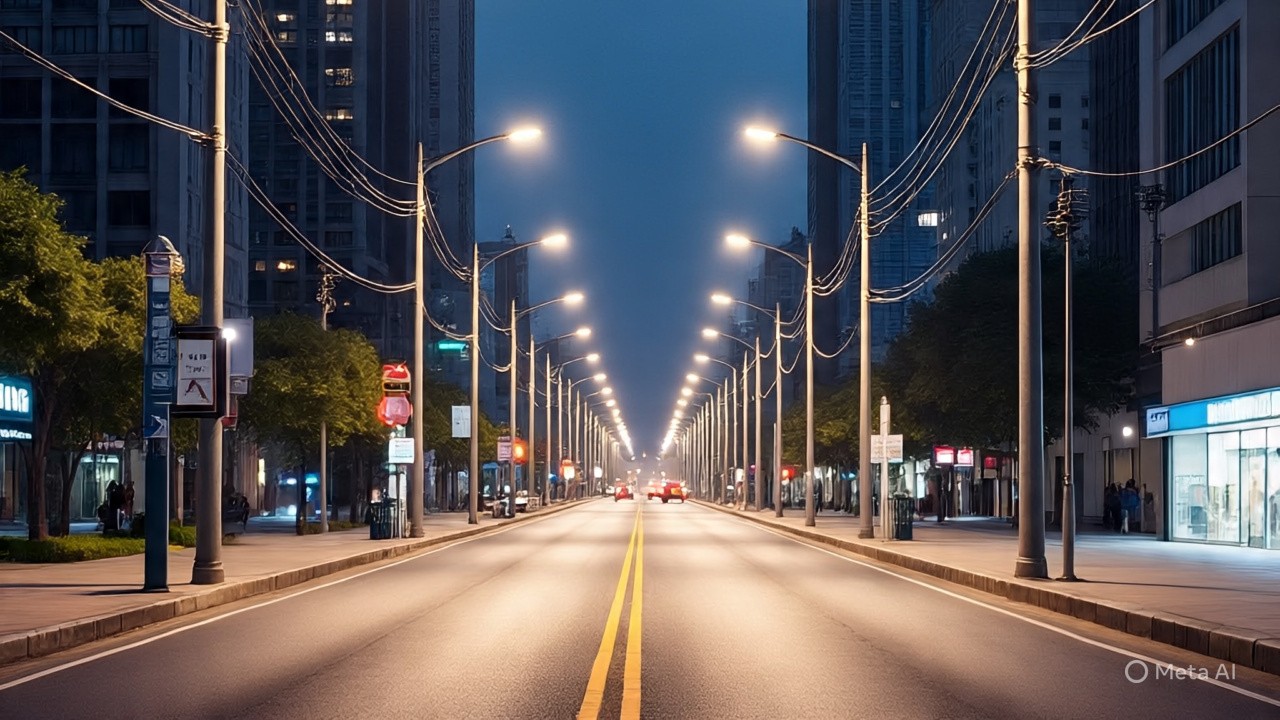
Proper road lighting and electrical systems are critical for safe, efficient, and sustainable road networks in Nigeria. Decades of experience in highway and urban projects reveal that poor lighting contributes significantly to night-time accidents, crime, and traffic inefficiency.
Nigeria’s roads, from urban streets in Lagos to federal highways across states, require well-designed electrical and lighting systems that account for traffic volume, local climate, and energy efficiency.
Importance of Road Lighting in Nigeria
Effective road lighting ensures:
- Improved visibility and safety for drivers, cyclists, and pedestrians
- Reduction of road accidents, particularly at night
- Enhanced security in urban and rural areas
- Efficient traffic flow on highways and city streets
- Compliance with Nigerian road and electrical standards
Night-time accidents are a significant concern on Nigerian highways, highlighting the need for proper illumination and electrical systems.
Types of Road Lighting Used in Nigeria
Street Lighting
- Urban streets and residential areas
- LED or high-pressure sodium (HPS) lamps for energy efficiency
- Proper spacing and mounting height to avoid glare
Highway and Expressway Lighting
- Focused on long stretches with high-speed traffic
- Uniform illumination and minimized dark spots
- Designed for durability under heavy traffic and harsh weather
Bridge and Interchange Lighting
- Provides guidance at critical intersections and river crossings
- Enhances safety on complex road structures
Smart and Intelligent Lighting Systems
- Automated dimming based on traffic flow
- Solar-powered or energy-efficient solutions for cost reduction
- Remote monitoring and fault detection
Road Electrical System Considerations in Nigeria
Power Supply and Distribution
- Reliable connection to national or local grids
- Backup systems in flood-prone or high-risk areas
- Compliance with Nigeria Electricity Regulatory Commission (NERC) guidelines
Cabling and Conduits
- Proper underground or overhead installations
- Protection from theft, rodents, and environmental damage
- Easy access for maintenance and fault repair
Control Systems
- Centralized lighting control for highways and urban networks
- Automated switching for energy optimization
- Integration with traffic signals and intelligent transport systems (ITS)
Challenges of Road Lighting and Electrical Systems in Nigeria
- Frequent power outages – necessitates backup or solar solutions
- Vandalism and theft – of poles, cabling, and fixtures
- Poor maintenance – leads to dark spots and unsafe roads
- High initial costs – particularly for smart or LED systems
- Non-compliance with standards – inconsistent illumination and spacing
Addressing these requires quality design, durable materials, and proactive maintenance programs.
Best Practices for Road Lighting in Nigeria
- Follow Federal Ministry of Works and Nigerian Highway Code specifications
- Use LED or energy-efficient lamps to reduce electricity costs
- Ensure uniform illumination and minimal glare
- Install robust electrical infrastructure resistant to theft and environmental damage
- Implement maintenance schedules and monitoring systems
Maintenance and Monitoring
- Inspect lighting poles, wiring, and fixtures regularly
- Replace faulty lamps promptly to maintain consistent safety
- Monitor energy consumption and adjust brightness as needed
- Integrate with traffic management systems for coordinated control
Nigerian Standards and Compliance
- Federal Ministry of Works (FMW) highway lighting specifications
- Nigerian Highway Code for urban and rural streets
- NERC guidelines for electrical installations
- International best practices adapted for Nigerian conditions
Expert engineers often adapt global lighting solutions to Nigeria’s climate, traffic patterns, and grid reliability.
Cost, Efficiency, and Lifecycle Considerations
“Investing in proper road lighting saves lives, reduces accidents, and lowers long-term maintenance costs.”
- LED lighting reduces electricity consumption
- Smart systems lower operational costs and detect faults early
- Lifecycle planning ensures consistent safety and functionality
Recommendations for Nigerian Road Stakeholders
- Design road lighting as an integral part of road planning
- Prioritize high-risk areas, intersections, and urban corridors
- Use energy-efficient and theft-resistant systems
- Integrate lighting with traffic management and monitoring systems
- Conduct regular inspections and preventive maintenance
Conclusion
Road lighting and electrical systems in Nigeria are critical for safe, efficient, and resilient road networks. Poor lighting contributes directly to accidents, congestion, and reduced infrastructure lifespan.
By combining engineering standards, quality materials, energy-efficient solutions, and proactive maintenance, Nigerian roads can achieve enhanced safety, better traffic flow, and longer-lasting infrastructure.